

 Español

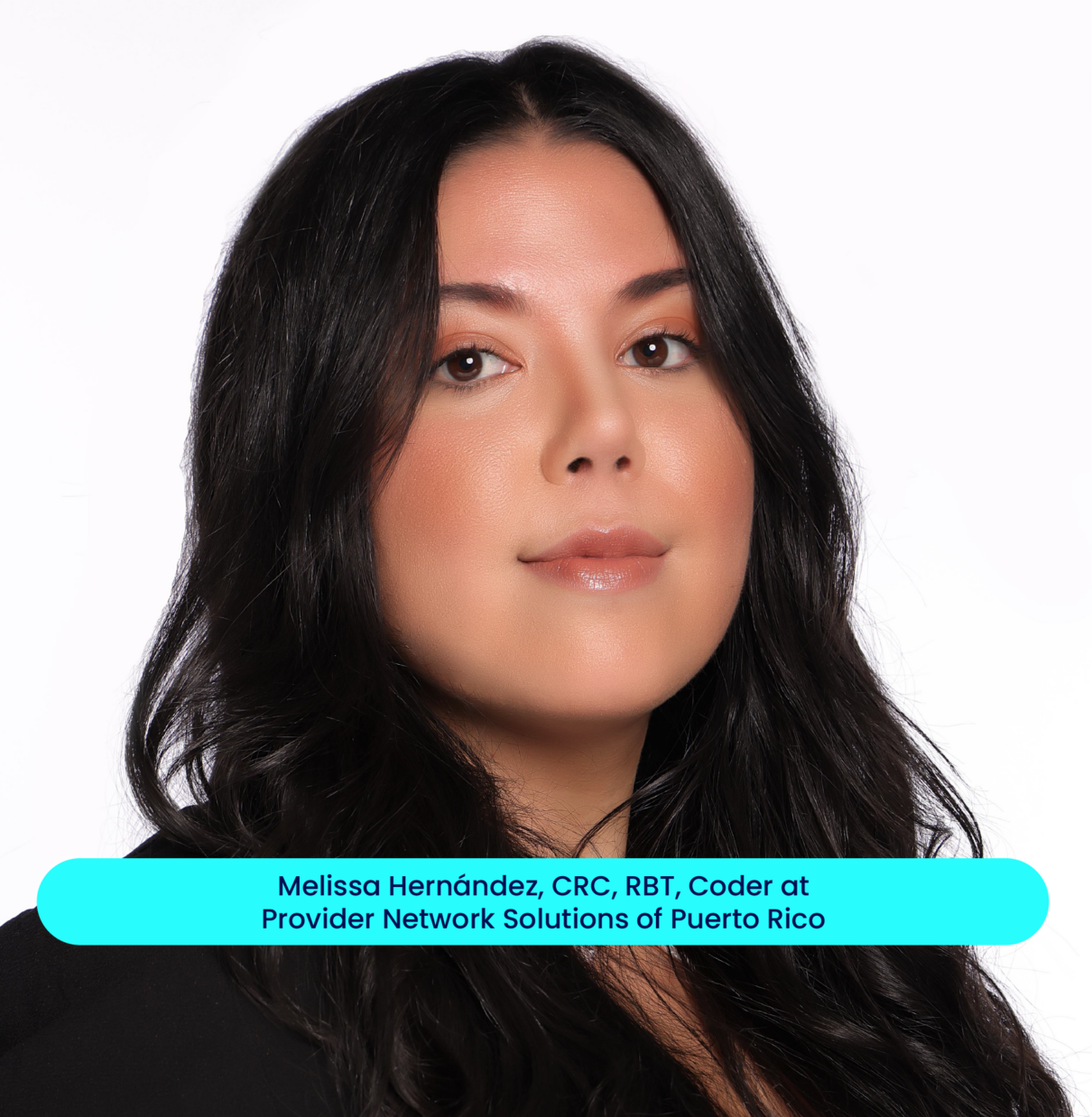

By Vilmar Trinta Negrón | Interviewed Melissa Hernández Proper pediatric coding plays a crucial role in children’s healthcare management, benefiting healthcare providers, insurers, and, most importantly, patients. Accurate coding ensures that children receive the right treatment at the right time while facilitating better resource management and more effective communication within the healthcare ecosystem. Proper
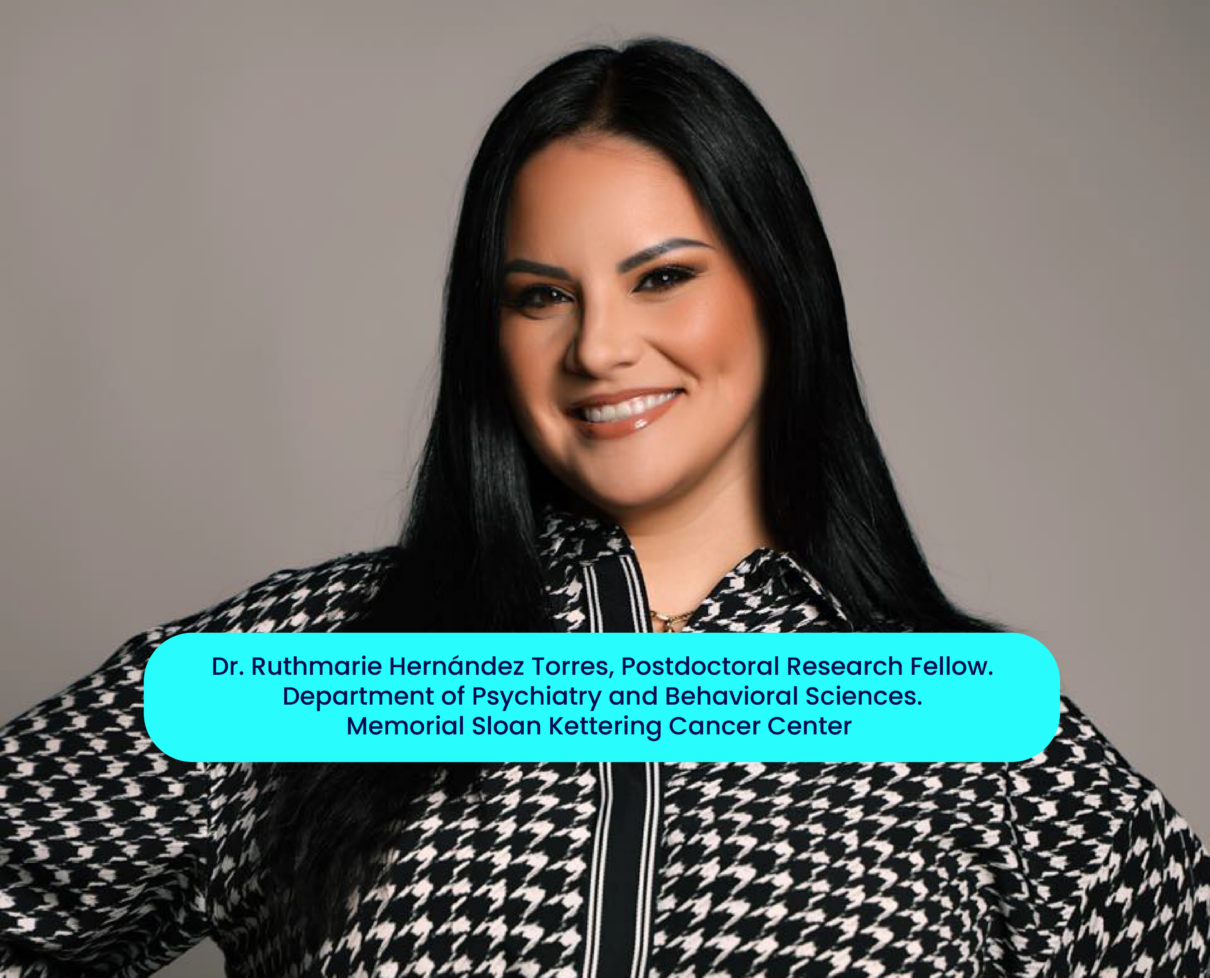
Dr. Ruthmarie Hernández-Torres Ph.D Food insecurity, defined as the limited or uncertain availability of nutritionally adequate and safe foods, is a growing concern in the United States, particularly among vulnerable populations. The situation is even more alarming in Puerto Rico, where an estimated 40% of residents and 56% of children experience food insecurity—far exceeding
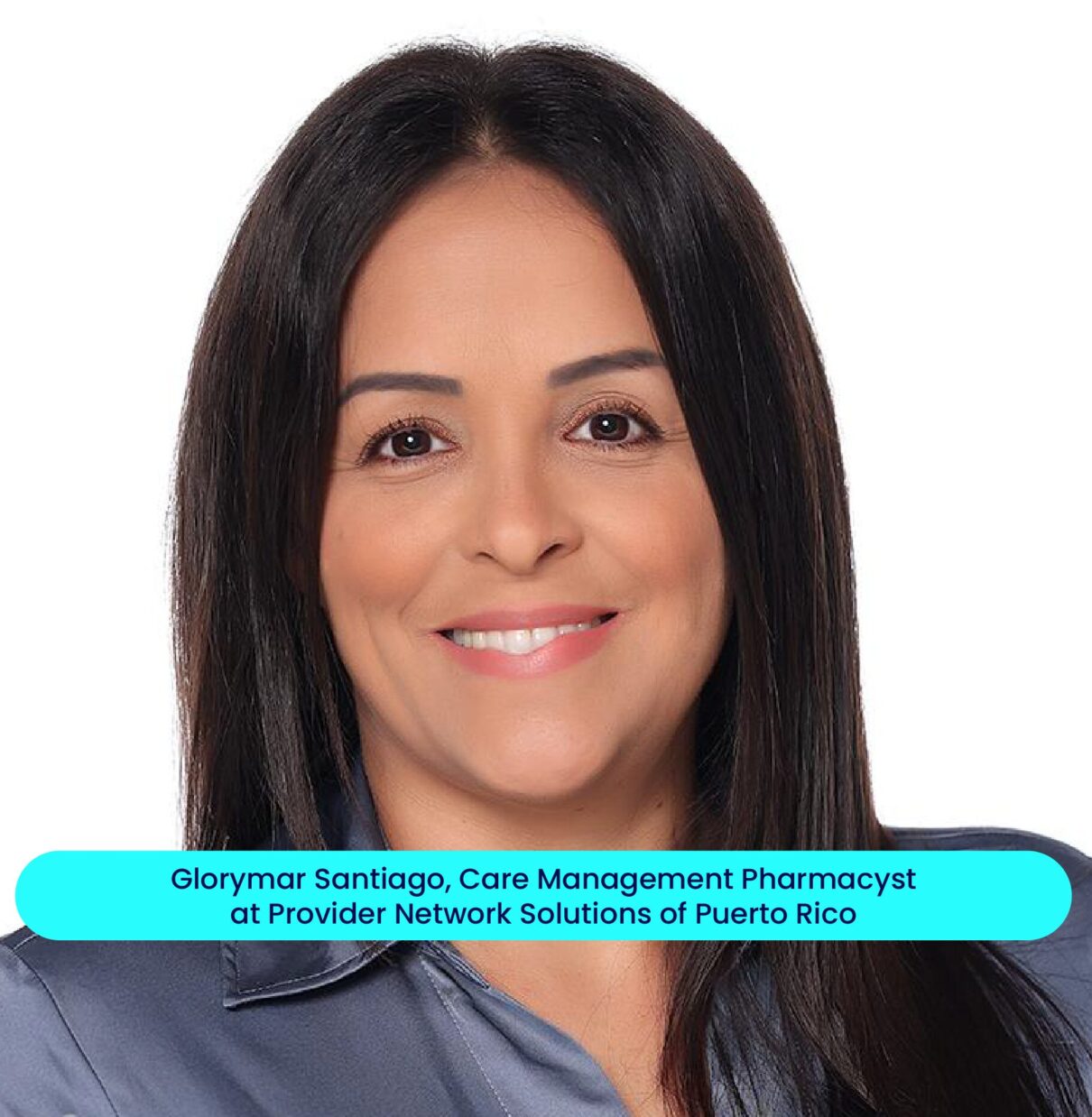
By Vilmar Trinta Negrón | Interviewed Dr. Glorymar Santiago The proper management of controlled substances is essential to prevent abuse, dependency, and the consequences associated with their misuse. In Puerto Rico, the prescription of controlled medications is subject to a series of specific requirements that healthcare professionals must comply with to ensure patient safety
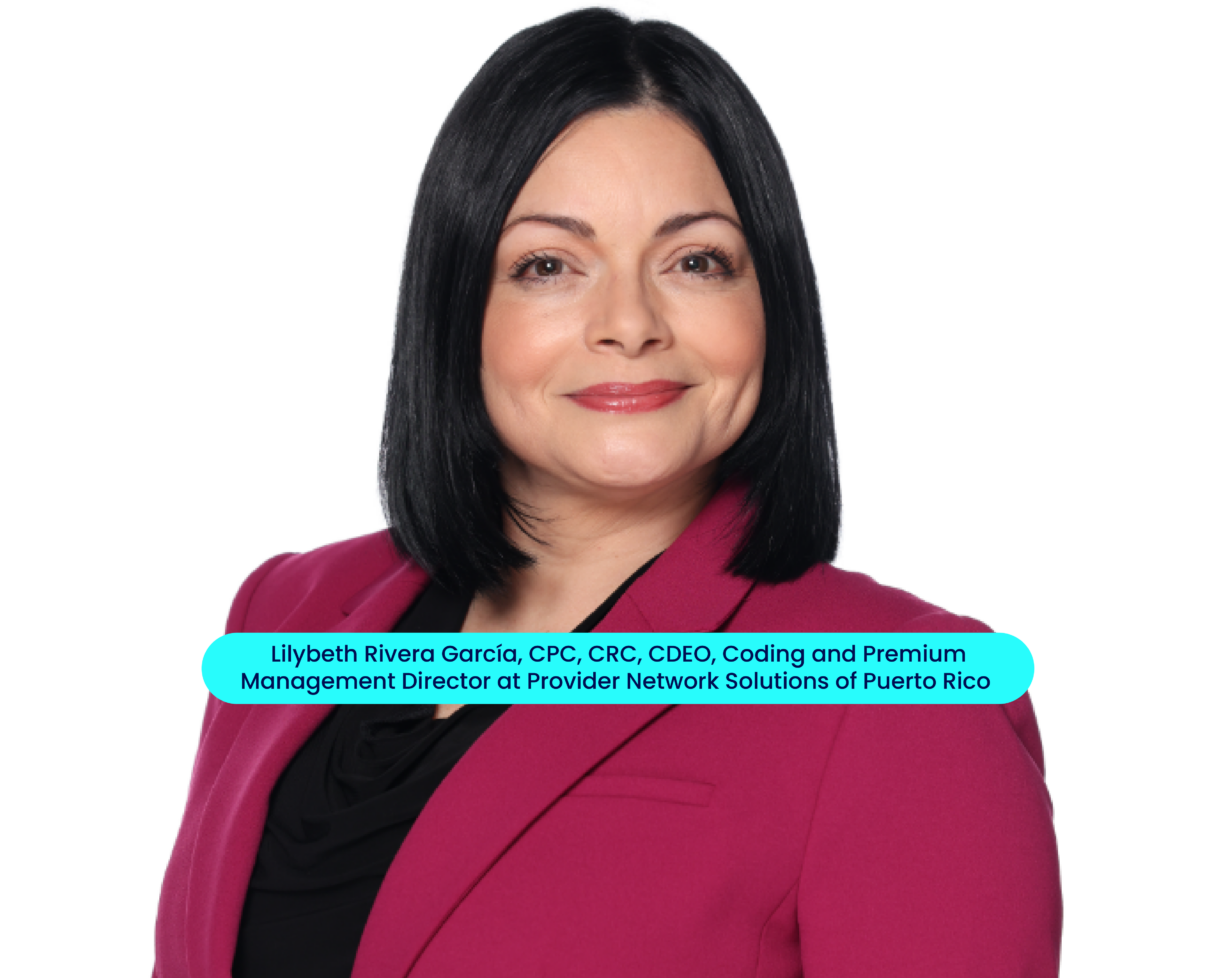
By Vilmar Trinta Negrón | Interviewed Lillybeth Rivera García Telemedicine has emerged as an essential tool for improving access to healthcare, especially in a context where distance and lack of access to traditional health services represent significant barriers. Although in Puerto Rico, telehealth has gained prominence in recent years, becoming an innovative modality for
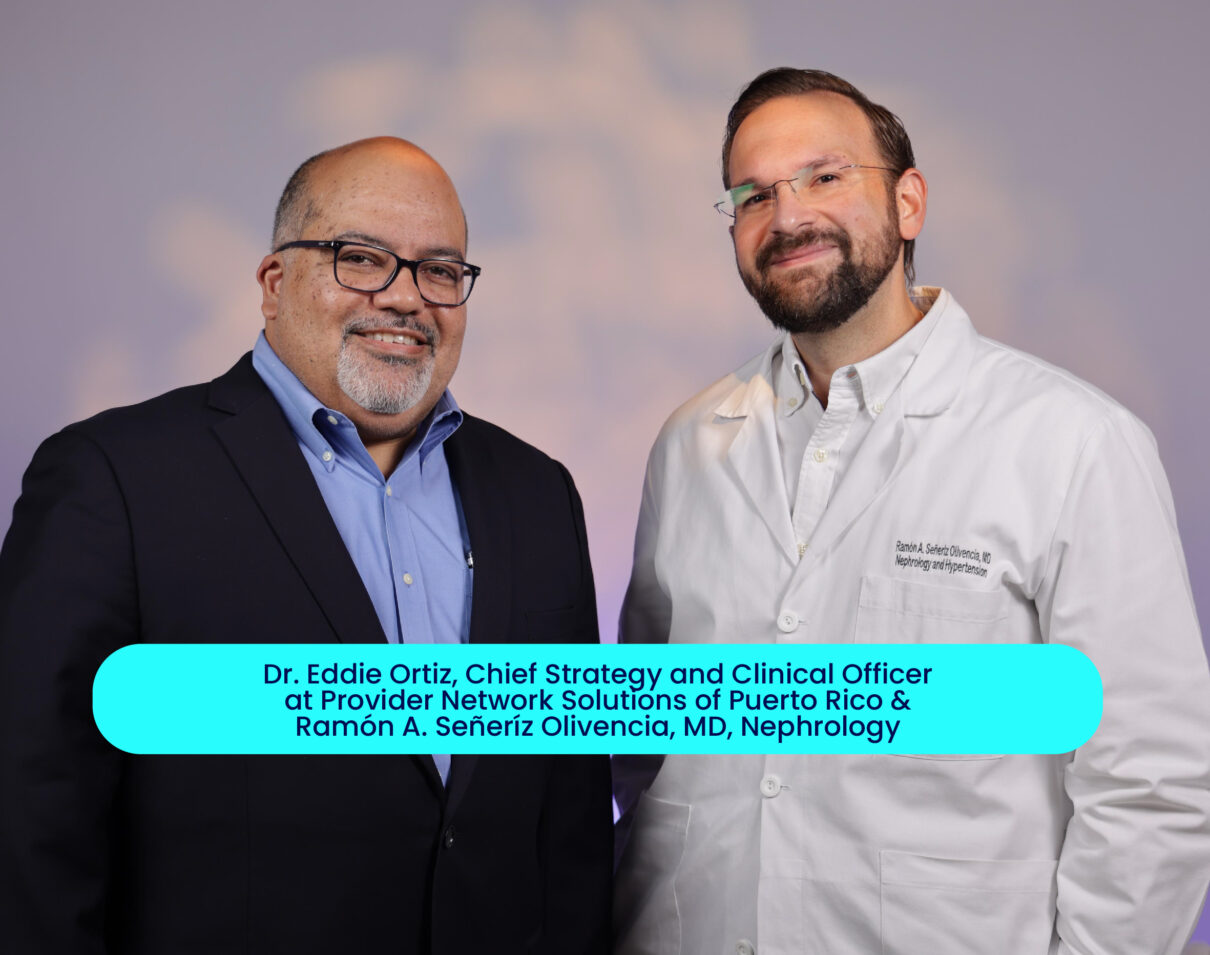
By Vilmar Trinta Negrón | Interview done by Dr. Eddie Ortiz You can see the full interview her: What Should Primary Care Physicians Do to Mitigate Chronic Kidney Disease? What can primary care physicians do to mitigate its impact on the population? At Provider Network Solutions, we join the international community during the month that
By: Vilmar Trinta Negrón | Interview by: Carlos Orama Digitalization has significantly increased the efficiency of healthcare systems, reducing manual intervention in administrative processes, optimizing treatments, and enabling better resource management. However, it has also heightened the vulnerability to information exposure and the possibility of cyberattacks. Managing sensitive, high-value data, including personal, medical, and financial
By: Vilmar Trinta Negrón | Interview by: Lilybeth Rivera Accurate coding ensures that patients receive the appropriate treatment plans for managing their health conditions, avoids claim denials or reduced payments, and influences the premiums that Medicaid assigns to its members. To achieve proper coding, healthcare providers must document and substantiate each diagnosis following the clinical
Dr. Ruthmarie Hernández-Torres Ph.D Words are not neutral. Stigmatizing language can assign negative labels, stereotypes, and judgments to certain groups of people, including patients. This type of language not only affects how others perceive these individuals but also influences how patients see themselves. Internalizing negative labels can lead individuals to avoid seeking medical care, perpetuating
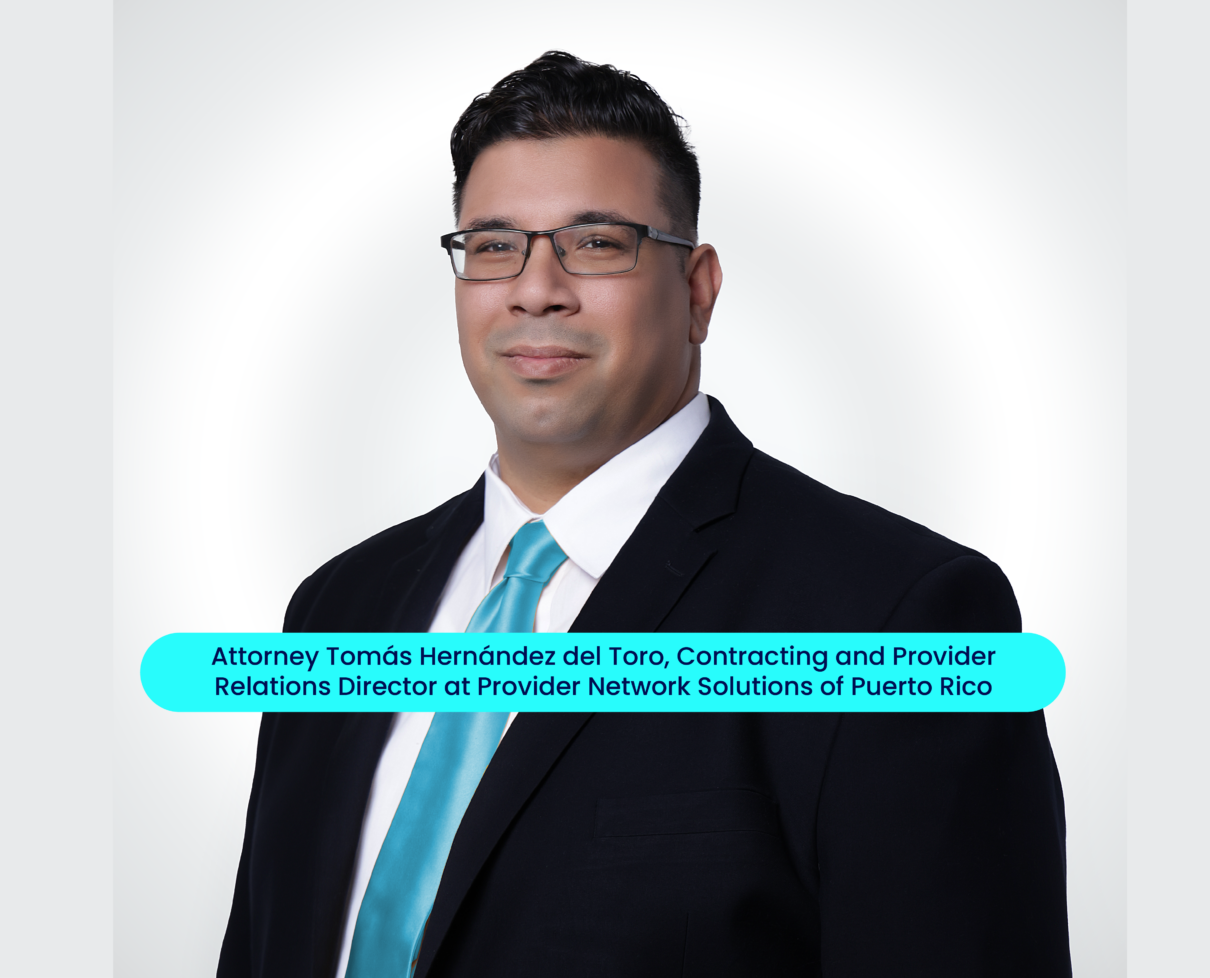
By: Vilmar Trinta Negrón | Interview by: Lcdo. Tomás Hernández Del Toro Federal Qualified Health Centers (FQHCs), commonly known as 330 Centers, will no longer be allowed to use multiple National Provider Identification (NPI) numbers to bill for services or submit reimbursement claims through the Provider Enrollment Portal (PEP) for the Medicaid Program in Puerto
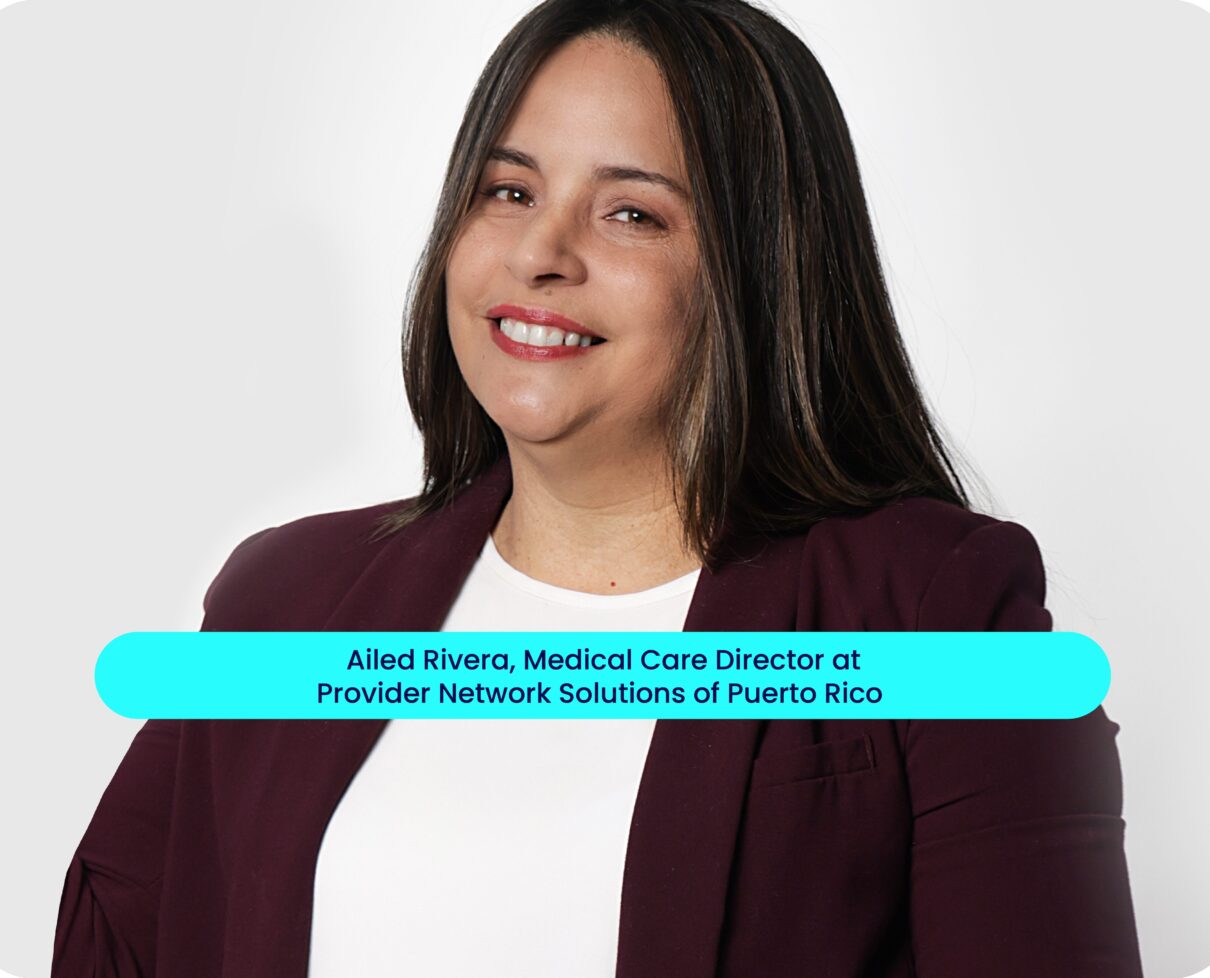
By: Vilmar Trinta Negrón | Interview by: Alied Rivera Medicare will implement several changes in 2025 aimed at reducing costs for a wider range of medications, establishing a cap on out-of-pocket expenses, and eliminating the coverage gap known as the “donut hole”. These changes, driven by the Inflation Reduction Act of 2022, aim to simplify
