




This post is also available in:
 Español (Spanish)

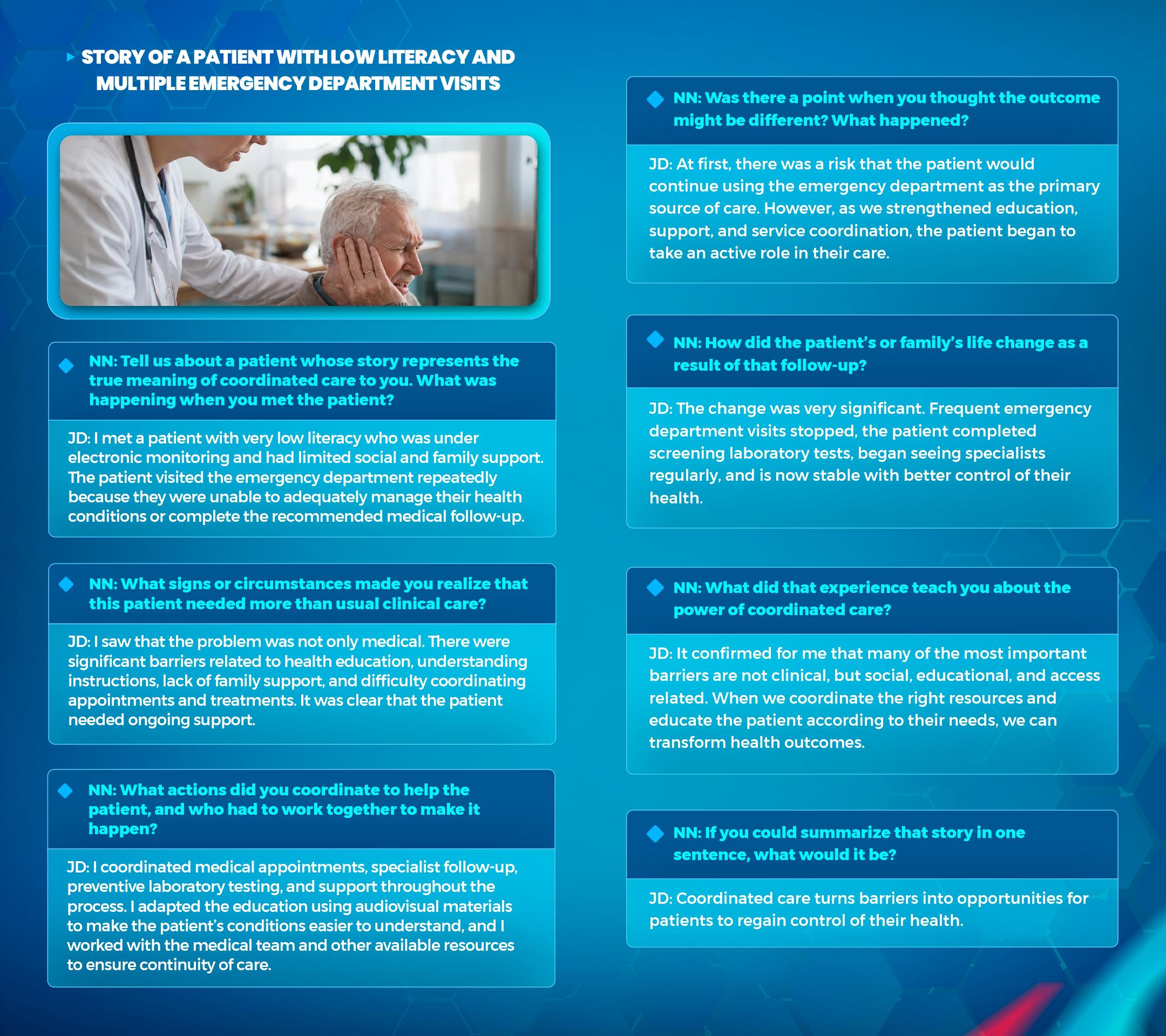
 For some patients, getting to an appointment, understanding a medical instruction, or completing follow-up involves much more than checking off a pending task. Behind a recurring emergency department visit, an incomplete test, or even an initial refusal to accept help, there may be social, educational, and emotional barriers that are not always visible during a clinical encounter.
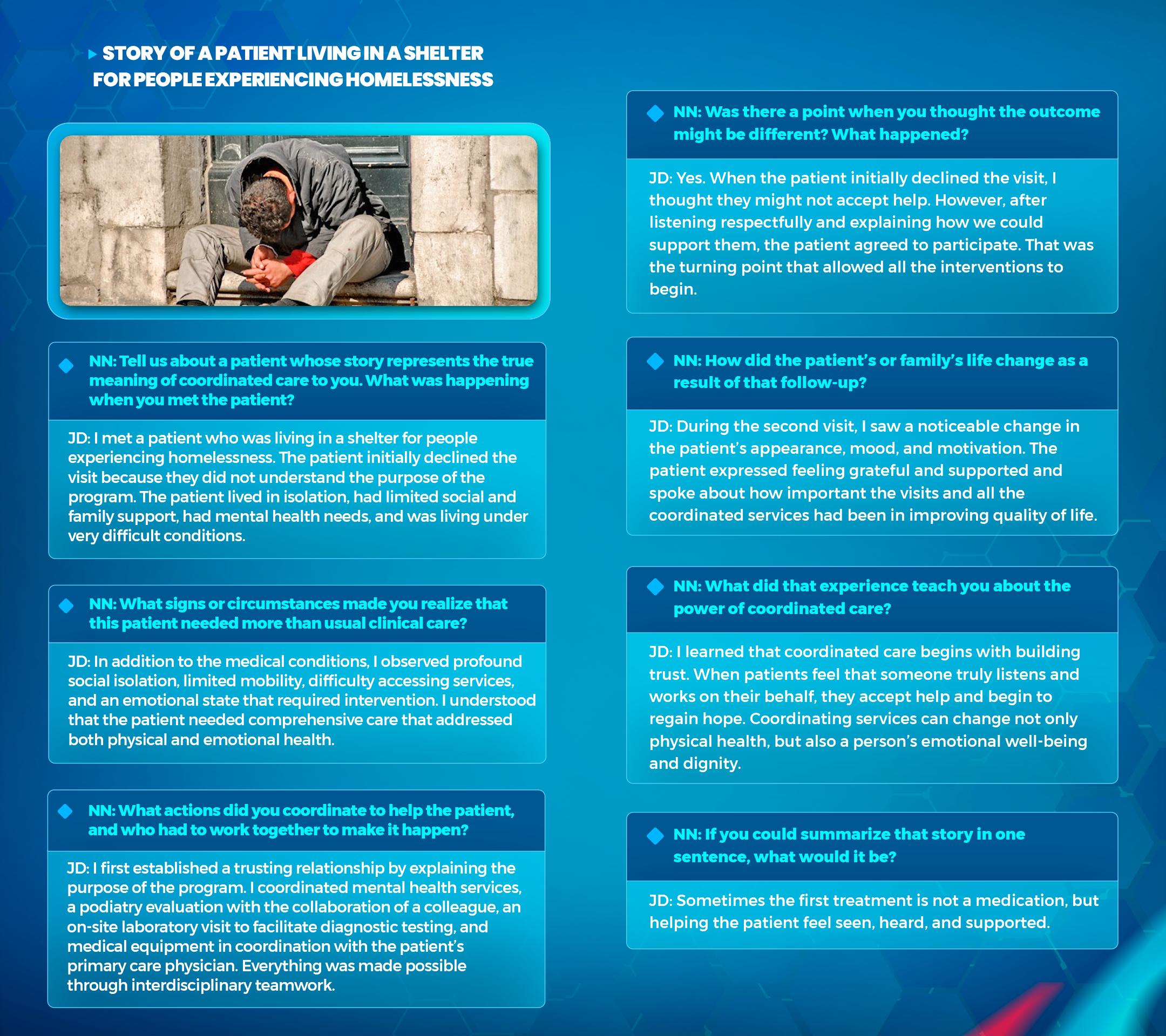
The following stories show what can happen when someone identifies those barriers and connects the dots. Appointment and service coordination, education tailored to the patient’s needs, interdisciplinary collaboration, and, above all, trust-building made it possible for two patients to begin relating to their health in a different way.
We spoke with Jaileen M. Díaz, Registered Nurse, about two experiences that reflect the true reach of coordinated care and a lesson that goes beyond these cases: to transform outcomes, we first need to understand what is preventing the patient from moving forward.
Beyond Coordinating Services
These stories involved different circumstances, but they share the same starting point: seeing the patient beyond the clinical condition. In one case, education, support, and coordination helped stop frequent emergency department visits and enabled the patient to resume laboratory testing and specialist follow-up. In the other, building trust opened the door to addressing the medical, emotional, and social needs of a person who initially refused help.
That is the value of coordinated care: turning information into action, barriers into solutions, and multiple interventions into a care experience that makes sense within the patient’s reality.
For our providers and their teams, these stories also offer an invitation: when a patient does not complete care, repeatedly returns to the emergency department, or seems disengaged from treatment, perhaps the question is not only, “Why didn’t the patient follow through?” but, “What barrier have we not identified yet?” Because many times, the next clinical outcome begins with that question.

 Most patients with high-risk chronic conditions do return for care after an emergency department visit or hospitalization. The challenge we are seeing across the network is not the absence of follow-up, but when that follow-up occurs. When the visit takes place outside the HEDIS-required timeframe, the opportunity to meet the measure has already been lost.
This pattern has implications that go far beyond regulatory compliance. Every follow-up completed outside the required timeframe lowers performance on quality measures, affects the health plan’s Star Ratings, and represents a missed opportunity to intervene when the patient is most vulnerable.
The good news is that, in most cases, the solution does not depend on a clinical change, but on a better coordination process. Practices with the most consistent results have turned transitions of care into a structured workflow that begins as soon as they receive notification of a hospital discharge or emergency department visit.
The process starts with a daily review of discharge notifications, admission and transfer reports, and alerts available through the IPA, the health plans’ various information platforms, and the health plan. From there, a designated team member contacts the patient or caregiver within the first 24 to 72 hours, reviews the treatment plan, identifies potential barriers to continuity of care, and coordinates the follow-up appointment before the HEDIS window closes.
High-performing practices share another characteristic: accountability is clearly assigned. When a care coordinator, case manager, or designated team member leads the process, the risk of missed notifications, delayed patient outreach, or lost opportunities to meet quality measures decreases.
Ideally, the goal is for 100% of eligible patients to complete follow-up within the established timeframes. In practice, high-performing organizations maintain rates above 85% and continuously work to close the gap, recognizing that every patient seen on time represents a better opportunity to prevent complications, reduce readmissions, and strengthen continuity of care.
Because quality does not begin when the patient walks into the office. It begins when the practice makes sure the patient is never lost in the transition from one level of care to another.

Transitions of Care: The First 72 Hours
The first hours after a hospital discharge or emergency department visit often determine whether follow-up will occur within the HEDIS timeframe. Use this checklist to standardize the process in your practice.
- Review discharge notifications, emergency department visits, and ADT reports received through the IPA, ProviNet, or the health plan every day.
- Contact the patient or caregiver within the first 24 to 72 hours to confirm the patient’s health status and provide guidance on next steps.
- Complete medication reconciliation and validate the treatment plan, when applicable.
- Identify clinical, social, or logistical barriers that could prevent timely follow-up.
- Schedule the appointment within the timeframe required by the FMC and TRC measures.
- Document all interventions in the medical record and submit properly coded encounters as soon as possible.
- Coordinate referrals or additional services when needed.
What High-Performing Organizations Do Differently
Practices with the strongest results make this process part of their daily routine. They review alerts every morning, assign responsibility for each case, make initial contact within 72 hours, and monitor each patient until the follow-up visit is completed. Consistency, more than process complexity, is what allows them to close gaps and improve quality indicators.
The Bottom Line
We are not losing patients. We are losing time. And in a value-based care model, time is also quality.

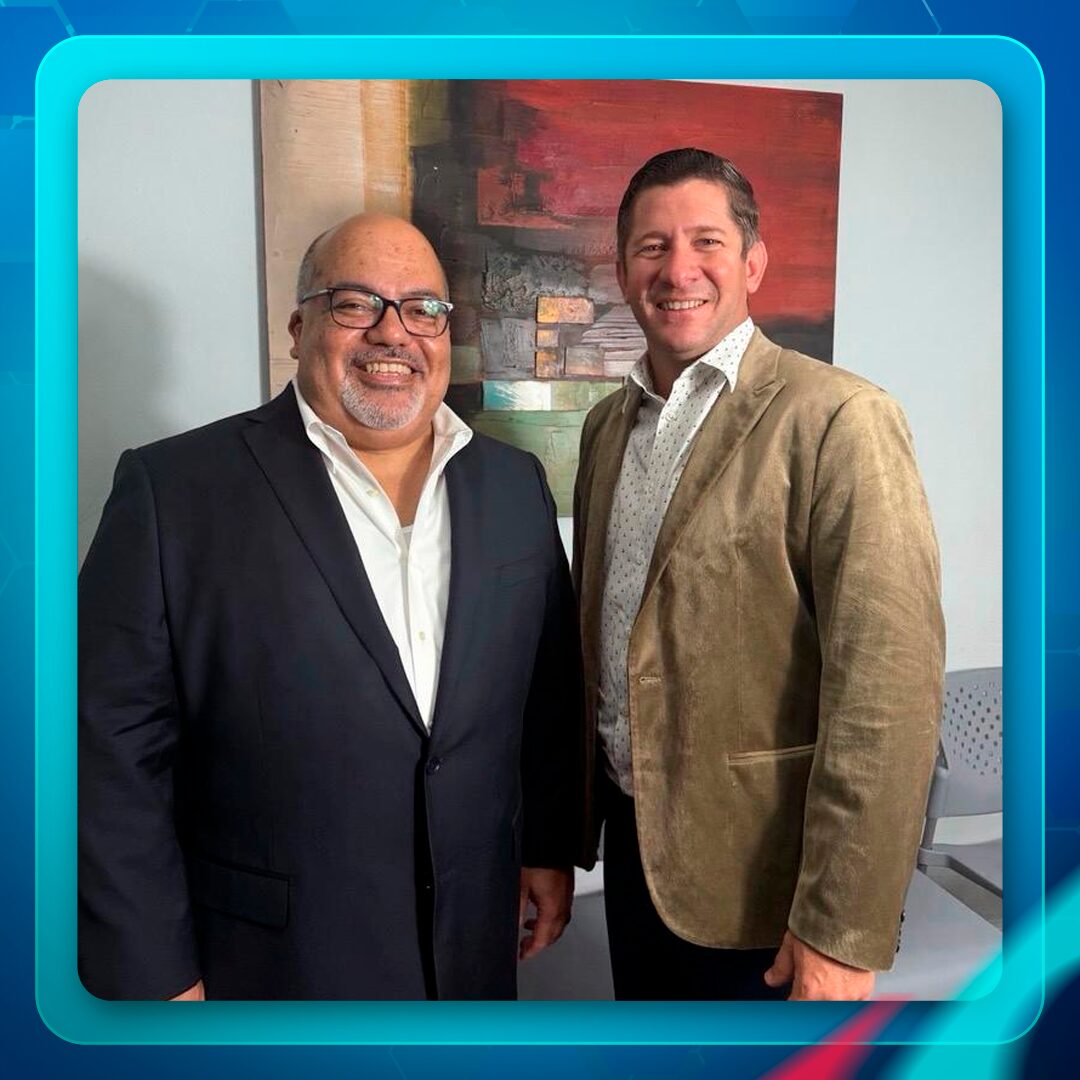 Joint pain is common in older adults. But when does it stop being part of the wear and tear that comes with age, and become a signal that calls for a closer look?
Distinguishing between a degenerative process and an inflammatory one, recognizing a warning sign in time, and knowing when to refer can significantly change the course of a patient’s care.
In this edition of Clinical Dialogue, Dr. Eddie Ortiz speaks with rheumatologist Dr. Ricardo Gago about the challenges primary care physicians face when evaluating musculoskeletal and rheumatologic conditions in older adults. A conversation that goes beyond diagnosis and pain management to address treatment, mobility, functionality, and the importance of effective communication between the primary care physician and the specialist.
Because in a population that is living longer every year, the clinical challenge isn’t only to treat the disease. It’s to help the patient preserve their independence and quality of life.
You can watch the full interview here

 Every year brings new regulations, guidelines, and changes to Medicare and Medicaid programs that transform the way providers document, code, and deliver preventive services to their patients. Yet one principle has remained constant over time: every documented diagnosis must be clinically supported.
CMS’s expectation has consistently been the same: if a condition is documented during a clinical encounter, the medical note must demonstrate that the condition was evaluated and managed by the provider during that encounter. Listing the diagnosis name or ICD-10 code alone is not enough; it must be supported by sufficient clinical evidence, and the documentation must show how the condition influenced the care provided to the patient.
To facilitate this process, we have guided providers for years on methodologies that strengthen clinical documentation. One of the most widely used is MEAT, which helps demonstrate active management of a condition through one or more of the following components:
M – Monitor: Follow signs, symptoms, laboratory results, diagnostic imaging, or clinical progression.
E – Evaluate: Analyze and interpret the condition or available results.
A – Assess: Document clinical judgment regarding the updated status of the condition, including whether it is stable, improving, worsening, or presenting complications.
T – Treat: Document the treatment plan, medications, diagnostic studies, patient education, specialist referrals, or follow-up.
Another simple and effective methodology is DSP (Diagnosis, Status, and Plan), which supports clear and complete documentation of the condition.
Example 1
Diagnosis: Colon cancer.
Status: Pathology confirms malignant neoplasm of the colon.
Plan: Referral to Oncology for evaluation and management; discussion of treatment options and follow-up according to recommendations.
Example 2
Diagnosis: Chronic obstructive pulmonary disease (COPD).
Status: Condition is stable, with no exacerbations or respiratory symptoms during the past three months.
Plan: Continue Spiriva®, reinforce treatment adherence, avoid triggers, and follow up at the next visit or sooner if an exacerbation occurs.
It is important to emphasize that these recommendations are not exclusive to a particular program or medical specialty. They apply to all providers, regardless of specialty, and to all payment models and insurance programs, including commercial coverage, Medicare, and Medicaid.
In other words, whether the documentation is used to support conditions under the Medicare Advantage Risk Adjustment model (CMS-HCC), the Medicaid CDPS-Rx model, or simply to substantiate clinical care and traditional fee-for-service billing, the expectation is the same: every documented diagnosis must be supported by a clinical assessment and a management plan clearly reflected in the medical note.
Avoid the Most Common Errors
- Documenting nonspecific or clinically contradictory diagnoses.
Verify that diagnoses are clinically compatible with one another and accurately reflect the patient’s condition.
Examples:
• Reporting I13.10 (Hypertensive heart and chronic kidney disease without heart failure) together with I50.9 (Heart failure, unspecified) during the same encounter represents a clinical contradiction because I13.10 explicitly indicates the absence of heart failure.
• Reporting I10 (Essential hypertension) together with N18.32 (Chronic kidney disease, stage 3b) without documenting the clinical relationship between the two conditions. Under the ICD-10-CM Official Guidelines, when hypertension is associated with chronic kidney disease, category I12.- generally applies and the CKD stage code should also be reported, unless the provider explicitly documents that the conditions are unrelated.
- Reporting diagnoses without evidence of clinical management.
Every active diagnosis should be supported by at least one MEAT element or equivalent documentation demonstrating that the condition was evaluated and managed during the encounter.
- Documenting as active diagnoses acute events that have resolved or whose care belongs in the inpatient setting.
Examples include cerebrovascular accident (CVA/stroke), sepsis, acute respiratory failure, septic shock, or acute myocardial infarction.
If the patient has a history of these conditions, document the Up-to-date status using terms such as “history of…” or describe any existing sequelae, when applicable. These conditions should be reported as active diagnoses only when they continue to be evaluated or treated during the encounter.
- Always document the diagnosis in descriptive clinical language.
The clinical narrative should include the name of the condition and should not rely exclusively on the ICD-10 code.
Although many electronic health records automatically transmit both the descriptive diagnosis and the ICD-10 code, the clinical note itself should contain a description of the diagnosis. In paper records, the narrative is essential, and ICD-10 codes should not be documented without their clinical descriptions.
- Submit definitive diagnoses on claims when available.
Signs and symptoms are an important part of clinical documentation and help support medical decision-making.
However, when a definitive diagnosis that explains those symptoms has already been established during the encounter, the claim should reflect that definitive diagnosis in accordance with the ICD-10-CM Official Guidelines for Coding and Reporting.
- Report only diagnoses that were managed during the encounter.
Only diagnoses that were evaluated, monitored, treated, or influenced clinical decision-making during the visit should be included on the claim.
Conditions that appear only in the patient’s medical history should not be reported if there is no evidence that they were addressed during the encounter. The mere presence of a diagnosis on the Problem List, in the medical history, or in prior visits does not justify reporting it on the claim if it was not clinically relevant to the service provided that day.
Complete clinical documentation strengthens continuity of care, facilitates communication among healthcare professionals, supports quality of care, and reduces the risk of audit findings. More importantly, it accurately represents the patient’s clinical complexity and supports compliance with regulatory and clinical documentation expectations established for Medicare, Medicaid, and other insurance programs.

Vacations should not force a practice to improvise; they should confirm that the practice has a continuity-of-care plan. A practice prepared to respond to vacations, illness, or other absences protects the patient, strengthens the team, and allows the physician to rest with confidence that care will continue.
Two days before beginning his vacation, an internist had to decide. It was not whether to cancel his time off. It was how to ensure that a patient with multiple chronic conditions, a persistent infection, and a pending procedure would continue receiving the care he needed while the physician was unavailable. The answer was not to improvise. It was to design a strategy.
Vacation time is essential to physician well-being and to preventing professional burnout. However, that time away can only be truly restorative when there is confidence that the practice is prepared to respond and that the patient will continue receiving the care he or she needs.
The patient had just gone through a complex hospitalization for a severe urinary tract infection and still needed to complete antibiotic therapy, undergo cardiac catheterization, and later have a urologic procedure. Knowing he would be away for several days, the internist activated a continuity-of-care plan: he coordinated a new hospital admission to stabilize the infection, arranged for another internist to oversee follow-up, communicated directly with the cardiologist and urologist, documented the treatment plan, and confirmed that each professional understood the role they needed to assume. As a result, treatment continued without interruption and the patient successfully completed the next stage of recovery.
More than a series of calls or last-minute arrangements, the situation reflected a fundamental principle of medical practice: continuity of care does not depend solely on the physician’s presence, but on the planning, coordination, and communication a practice establishes well before an absence occurs.
Continuity of care goes beyond the physician’s physical presence. It means ensuring clinical continuity of treatment, coordination among professionals, timely access to information, and the confidence of the patient and family throughout the transition.
Evidence supports this approach. A study published in JAMA Network Open found that nearly 60% of physicians in the United States take three weeks or less of vacation per year and that more than 70% continue addressing patient-related matters during that time. The researchers concluded that the challenge is not vacation itself, but having systems in place that ensure continuity of care while the physician rests.
This reality also affects patients. An analysis by Tebra found that 49% of patients have experienced appointment delays or cancellations during their provider’s vacation and that 27% of physicians have delayed or shortened time off because of clinical responsibilities. The data suggest that the solution is not to give up vacation, but to strengthen practice planning and organization.
In Puerto Rico, where high demand for services and limited availability of certain specialists create additional challenges, this planning becomes even more valuable. That is why providers, organizations that support healthcare delivery, and clinical teams must work in coordination to ensure continuity of care. A prepared practice protects the patient, strengthens the team, and allows the physician to exercise the right to rest with greater peace of mind.
The story that inspired this article is real. Its greatest value was not that the physician remained available during vacation; it was that, before leaving, he built a system that allowed treatment to continue without interruption.
The story that inspired this article is real. Its greatest value was not that the physician remained available during vacation; it was that, before leaving, he built a system that allowed treatment to continue without interruption.
Trust is not built only when the physician is present. It is built when the patient, the family, and the healthcare team know that, even in the physician’s absence, there is a plan. When that plan works, the physician can also take the rest needed, return to the practice renewed, and continue providing safe, compassionate, high-quality care to those who trust them with their health.
Ultimately, caring for the patient also means preparing for their care when the physician will not be present. When that preparation becomes part of the practice culture, provider time off stops being a concern and becomes a shared benefit for the physician, the team, patients, and their families.
Planning Is Also Caring
As part of its commitment to supporting healthcare providers, Provider Network Solutions of Puerto Rico developed a practical guide with recommendations to help you plan absences, strengthen continuity of care, and keep your practice operations organized.


 The practice of medicine is highly regulated and carries risks related to potential financial loss from legal claims. Common risks include (1) employment claims involving employees, independent contractors, or business partners; (2) claims for breach of partnership agreements or fiduciary duty; (3) claims involving falls, assaults, or other incidents affecting visitors; (4) professional malpractice claims; and (5) healthcare fraud claims, among others. All these considerations carry significant weight when evaluating whether to incorporate a medical practice and establish a legal entity that may bear some or all responsibility to third parties separately and independently from the physician as an individual or from the physician’s legal marital partnership.
The difference between operating a medical practice as an individual and operating through a professional corporation is that, as an individual, the physician is personally exposed through his or her own assets, whereas incorporation provides a degree of protection from third-party claims. This means that the corporation is responsible for acts attributable to the entity’s activities, obligations, contracts, and business. Although this protection is not absolute, it provides an incentive to operate with less risk. However, the license to practice medicine belongs to the physician as an individual, so responsibilities related to medical care cannot be delegated. For example, a group of emergency medicine physicians may incorporate and enter into an agreement with a hospital. In that case, the corporation would be responsible for contracting the physicians who provide services in the emergency department. However, if the corporation is sued for medical malpractice committed by a physician assigned to provide services, the individual physician may still be named in the lawsuit, remain exposed up to the limits of the individual malpractice policy, and be responsible for administrative matters before the Medical Licensing and Studies Board.
With respect to tax treatment, without going into the details of tax law, a corporation can generate income and establish tax liability that is separate from that of the individual. For example, in a professional corporation, income may be allocated to professional services or salary and administrative expenses, while other income may remain with the corporation as a separate legal entity.
Depending on the business goals and strategies of the physician, or of a group of physicians interested in incorporating collectively, different alternatives may be evaluated to grow the practice. Most importantly, legal counsel from an attorney and advice from an accountant should be obtained to help create agreements with the appropriate compensation structure and decision-making controls, thereby reducing the risk of future claims among partners. The practice should also maintain articles of incorporation, policies, protocols, and other documents that accurately reflect its structure and operations.
There are advantages and disadvantages among the different classifications a medical professional may use when employing other professionals, as well as in professional services agreements. The most significant difference between an employee and an independent contractor lies in the degree of control over the services and the responsibility to third parties for the acts of the person engaged.
Banks, insurers, and regulatory agencies do not have a preferred business structure for physicians. This is considered a business decision. However, there is an incentive to maintain a bank account that reflects the corporation’s income separately from the individual’s finances. For financing purposes, the corporation, together with its shareholders and its assets, has its own legal capacity to assume debt and liabilities without necessarily affecting the individual’s capacity to incur personal obligations.
Finally, among the different entities that may be created, the professional corporation, or PSC, is generally the most advisable. Although an LLC, or limited liability company, may appear more protective, many jurisdictions, including Puerto Rico, have regulatory frameworks that discourage professionals from using an entity to avoid professional responsibility because the corporate practice of medicine is not accepted. As described above, the corporation is a separate legal entity for legal purposes, but it is not the entity that practices medicine.

 Before submitting a claim, stop and confirm the following:
- Was the billed service provided?
Services, tests, procedures, or supplies that were not provided to the patient should never be billed.
- Does the medical record demonstrate the medical necessity of the service?
The diagnosis, symptoms, assessment, and treatment plan should clearly justify the billed service.
- Is the documentation complete, legible, and properly signed?
The clinical note should identify the patient, date of service, professional who rendered the service, and the findings that support the claim.
- Do the diagnosis and procedure codes accurately represent what is documented?
Use only codes that correspond to the service performed and the documented level of complexity. Avoid upcoding or selecting higher-paying codes without clinical support.
- Are the modifiers used correctly and supported by the medical record?
Modifiers should not be used to circumvent billing rules, manipulate claims, or generate unjustified additional payment.
- Are the number of units, date, and place of service correct?
Verify that units, billed time, and all other data match the clinical documentation and the service were provided.
- Does the service require prior authorization, a referral, or any special coverage requirement?
Confirm that the health plan’s applicable requirements have been met before submitting the claim.
- Could the claim be a duplicate or include services already billed?
Review billing history to avoid billing twice for the same service, improperly unbundling services that should be billed together, or incorrectly billing more than one payer.
- Are the patient and provider details correct?
Validate patient eligibility, member identification number, rendering provider, NPI, specialty, and any other information required for billing.
- Would I feel comfortable explaining and supporting this claim during an audit?
If there is any question regarding the claim’s accuracy, medical necessity, documentation, or compliance, stop the process and consult billing or compliance staff before submitting it.
Final Recommendation: Accurate billing begins with complete and precise clinical documentation. Completing this review before submitting each claim helps prevent errors, improper payments, and potential fraud, waste, or abuse concerns. If an error is identified, it should be corrected promptly and the established process for addressing any improper payment should be followed.

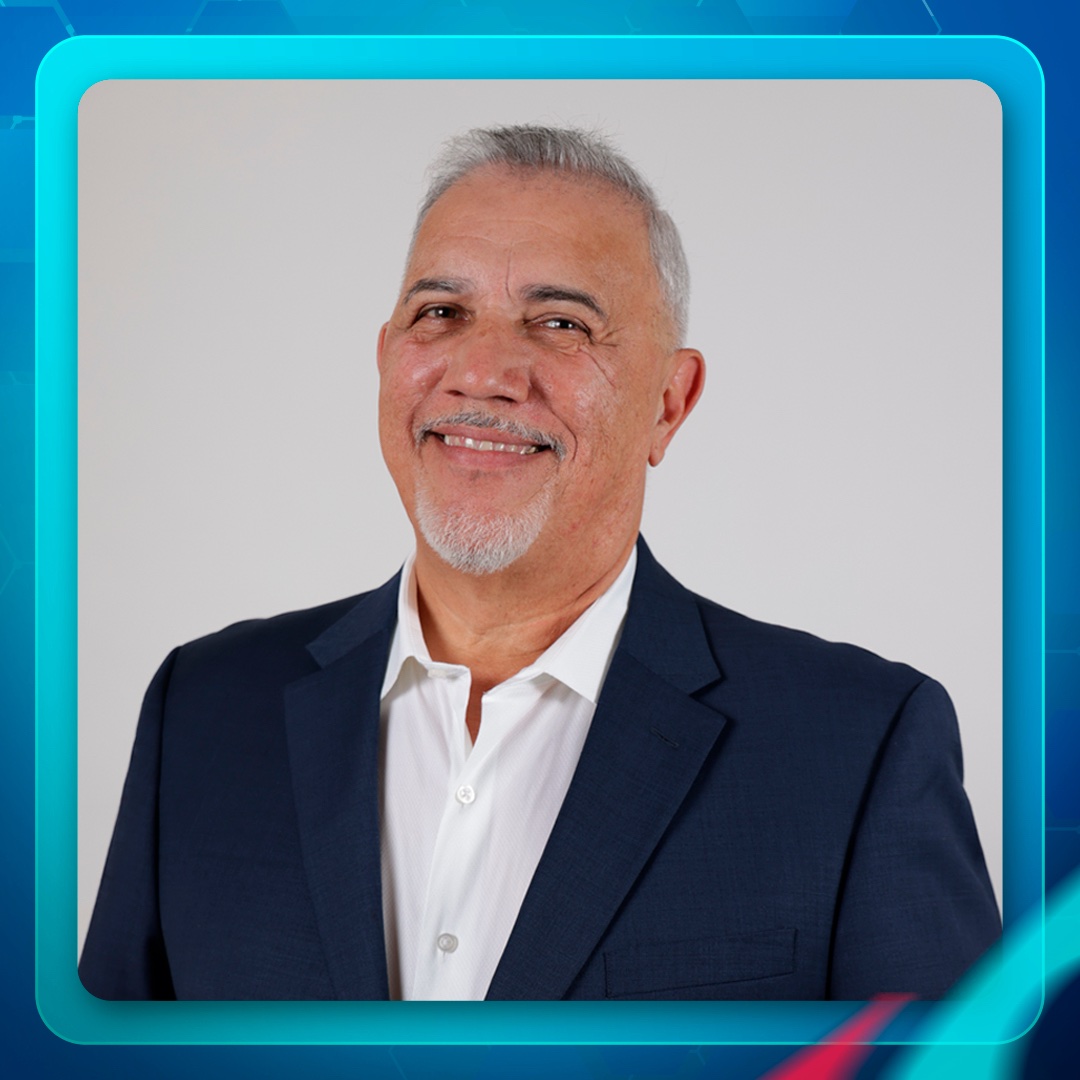 If there is one idea, I would like every physician to take away after reading this edition, it is that excellence in patient care is built through consistent actions, not isolated efforts.
Every patient encounter represents an opportunity to prevent complications, strengthen the physician-patient relationship, and contribute positively to quality of life. That excellence is built in daily practice: when we combine sound clinical judgment with accurate documentation, timely follow-up, and teamwork, we achieve better outcomes for our patients and strengthen our practices.
That consistency is precisely what connects many of the topics we have shared throughout this edition. Follow-up, coordination, documentation, and compliance may appear to be separate processes, but they all support the same vision: delivering comprehensive, coordinated, patient-centered care.
Follow-up allows us to identify needs in a timely manner; coordination strengthens continuity of care; documentation accurately reflects the patient’s clinical reality; and compliance helps ensure that every process is carried out with quality and consistency. When these elements work in harmony, the result goes beyond each individual task: clinical outcomes improve, the patient experience is optimized, and the sustainability of medical practices is strengthened.
And it is precisely in the integration of all these efforts that Provider seeks to deliver greater value. For us, being a true strategic partner means being present beyond provider network administration. It means listening, supporting, and offering solutions that help our practices face the challenges of the healthcare system with greater confidence and better tools.
Our commitment is to advance the success of every provider through education, data analytics, operational support, and strategies that strengthen quality of care, efficiency, and sustainability. Because there is a direct relationship between stronger medical practices and better-cared-for patients.
In the end, everything brings us back to the same point where we began: excellence is built every day. In every encounter, every follow-up, every clinical decision, and every coordinated effort, we have an opportunity to move toward the healthcare system we aspire to build.
Thank you for being part of this mission. Let’s continue working together to build a stronger, more compassionate healthcare system centered on the well-being of those who place their trust in us every day.
Available Resource: Provider Resource Center
https://pns-pr.com/provider-resource-center-2/

This post is also available in:
Español (Spanish)